
Blog niche ideas for beginners can help you understand which blog niche to choose to earn money online. There are many topics to write about, but the first step is to identify the types of topics that have high demand online. Find out what people want to discuss and what they want to read. This guide will provide beginner-friendly blog niche ideas and explain how to validate a blog niche using WordPress.
Why Blog Niche Ideas for Beginners Matter
blog niche ideas for beginners
A blog niche is the specific subject your website focuses on, such as personal finance for students, beginner fitness, home organisation, or AI tools for small businesses. Choosing a focused niche helps you attract a clear audience, create relevant content, and build topical authority more easily.
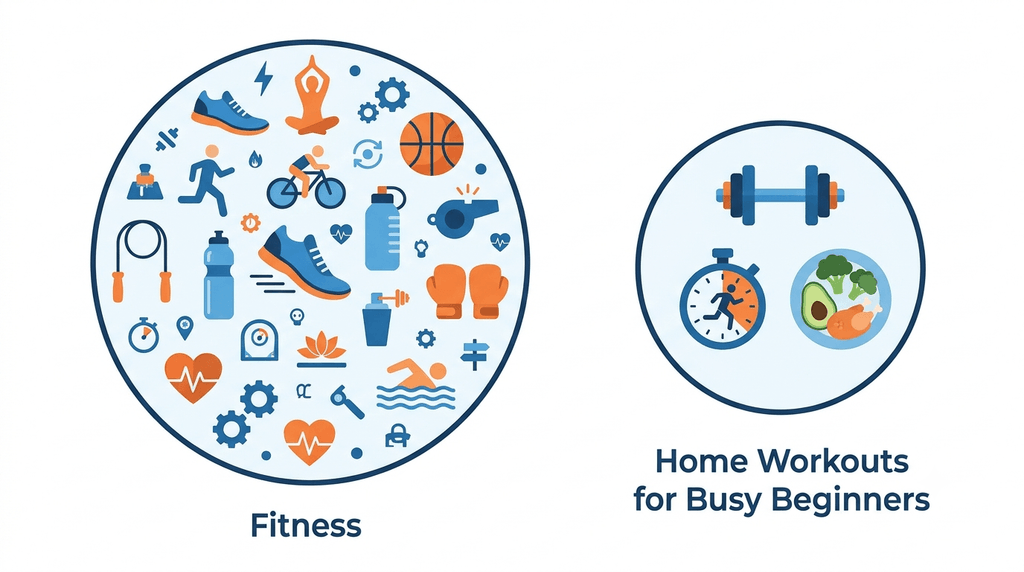
For beginners, a niche that is too broad—such as “lifestyle” or “technology”—can make it difficult to compete. A narrower niche, such as “budget travel for solo female travellers” or “productivity apps for freelancers”, gives you a clearer audience and more practical content direction.
Best Blog Niche Ideas for Beginners
Here are proven blog niche ideas for beginners that can work well if you test demand properly before committing.
| Niche idea | Example audience | Content examples |
| Personal finance for beginners | Students, young professionals | Budgeting, saving, credit basics |
| Health and fitness | Busy workers, beginners | Home workouts, meal planning |
| Food and recipes | Home cooks | Easy recipes, meal prep |
| Travel | Budget travellers, families | Itineraries, travel tips |
| Technology and AI tools | Freelancers, small businesses | App reviews, tutorials |
| Parenting | New parents | Baby sleep, activities, routines |
| Self-improvement | Students, professionals | Habits, productivity, motivation |
| Pets | Dog and cat owners | Training, nutrition, care |
| Home improvement | Renters, homeowners | Décor, cleaning, DIY |
| Online earning | Beginners | Freelancing, side hustles, blogging |
These niches are popular because they solve everyday problems. However, popularity also means competition, so you should look for a specific angle rather than trying to cover an entire industry.
How to Test Demand Before Starting
Before buying a domain, installing WordPress, or writing 50 posts, test your idea using free and low-cost methods. This prevents you from building a blog around a topic with little audience interest.
1. Use Google Trends.
Google Trends shows whether interest in a topic is rising, stable, or declining. Enter your niche idea, compare related topics, and check interest over the past 12 months and five years. A stable or growing trend is usually a better signal than a temporary spike.
For example, compare “home workout”, “gym workout”, and “yoga for beginners”. If one topic shows consistent search interest, it may be a stronger starting point for your blog.
Blog Niche Ideas for Beginners
2. Check Search Volume and Keywords
Blog Niche Ideas for Beginners
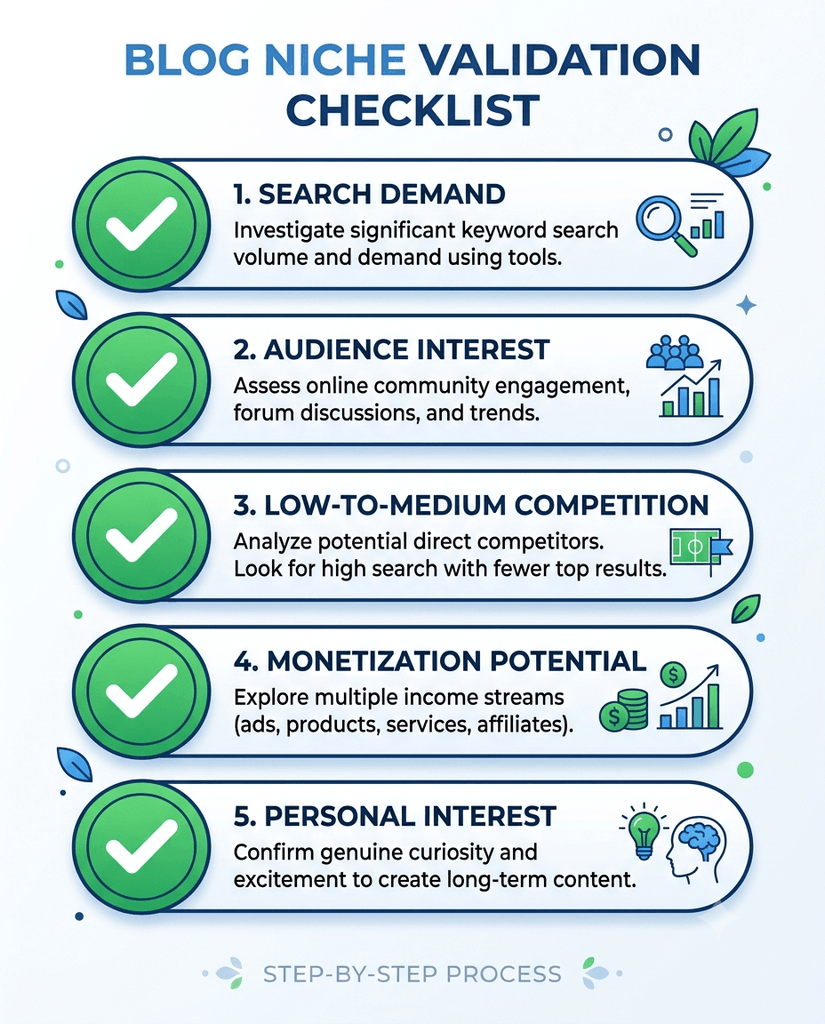
Use keyword research tools such as Google Keyword Planner, Ubersuggest, Ahrefs, or Semrush to see how many people search for related terms. Look for keywords with reasonable search volume and manageable competition.
Instead of targeting a broad keyword like “fitness”, look for long-tail keywords such as:
- “beginner home workout without equipment”
- “healthy meal prep for busy people”
- “best budget travel destinations in India”
- “AI tools for small business owners”
Long-tail keywords usually have lower competition and clearer search intent, making them ideal for new blogs.
3. Study Google Search Results
Search your main keyword on Google and review the first page. Look at the “People Also Ask” section, autocomplete suggestions, and related searches. These reveal the exact questions your future readers want answered.
Also check what type of content ranks: blog posts, videos, product pages, or forums. If the top results are high-authority websites, you may need a more specific sub-niche to compete effectively.
4. Explore Forums and Social Media
Visit Reddit, Quora, Facebook groups, YouTube comments, and niche communities. Look for repeated questions, complaints, and problems. If people continuously ask the same questions, that is strong evidence of demand.
For example, if many parents ask about toddler sleep routines, a blog focused on practical sleep schedules may have a real audience.
5. Publish Test Content
Create a simple WordPress blog or use a free platform temporarily to publish 5–10 test articles. Track views, clicks, comments, shares, and email signups. This is often called a content pilot or minimum viable content test.
If certain posts receive more traffic or engagement, expand around those topics. If nobody responds after consistent promotion, reconsider the niche or change your content angle.
How to Validate a Blog Niche
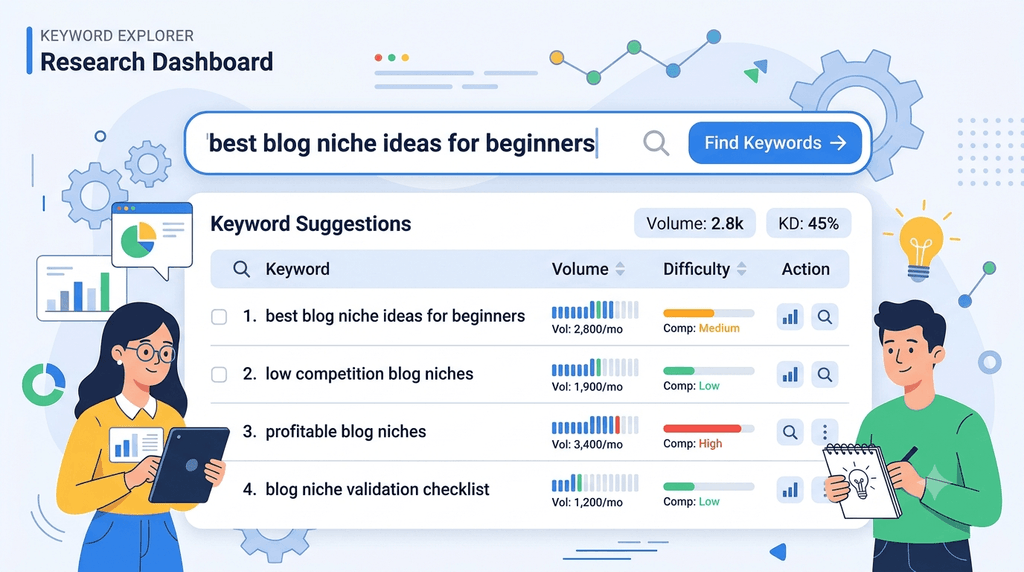
Use this simple checklist before committing to a niche:
- You can write at least 30–50 useful article ideas.
- People search for the topic on Google.
- The topic has active discussions on social media or forums.
- You can offer a unique angle or personal experience.
- The niche has monetisation potential through ads, affiliate products, digital products, or services.
- You are interested enough to publish consistently for several months.
A good blog niche sits at the intersection of audience demand, your knowledge or willingness to learn, and monetisation potential.
Avoid These Beginner Mistakes
Many new bloggers fail because they choose a niche without testing it. Avoid these common mistakes:
- Choosing a topic only because it looks profitable.
- Starting with a niche that is too broad.
- Ignoring search demand and writing only personal opinions.
- Targeting highly competitive keywords immediately.
- Quitting after publishing a few posts.
- Copying competitors instead of finding a unique angle.
Remember, the goal is not to find a “perfect” niche. It is to find a viable niche where you can help a specific audience better than many existing websites.
WordPress and AdSense-Friendly Structure
For WordPress, use a clean theme, clear headings, short paragraphs, internal links, and mobile-friendly design. Place your main keyword naturally in the title, introduction, subheadings, meta description, and body content without keyword stuffing.
For Google AdSense approval, focus on original, helpful, and well-organised content. Add essential pages such as About, Contact, Privacy Policy, and Disclaimer. Avoid copied content, misleading claims, and thin articles with no real value.
A strong article structure includes:
- A clear introduction that answers the reader’s main question.
- Descriptive H2 and H3 headings.
- Practical examples, lists, and tables.
- Internal links to related posts.
- A conclusion with a clear next step.
Final Thoughts
The best blog niche ideas for beginners are specific, searchable, and based on real audience problems. Before launching, use Google Trends, keyword research, competitor analysis, community discussions, and test posts to confirm demand.
Like, share, and subscribe to GrowwTech Education for more beginner-friendly blogging and SEO guides!